Benefits of Stretch
Physical Benefits:
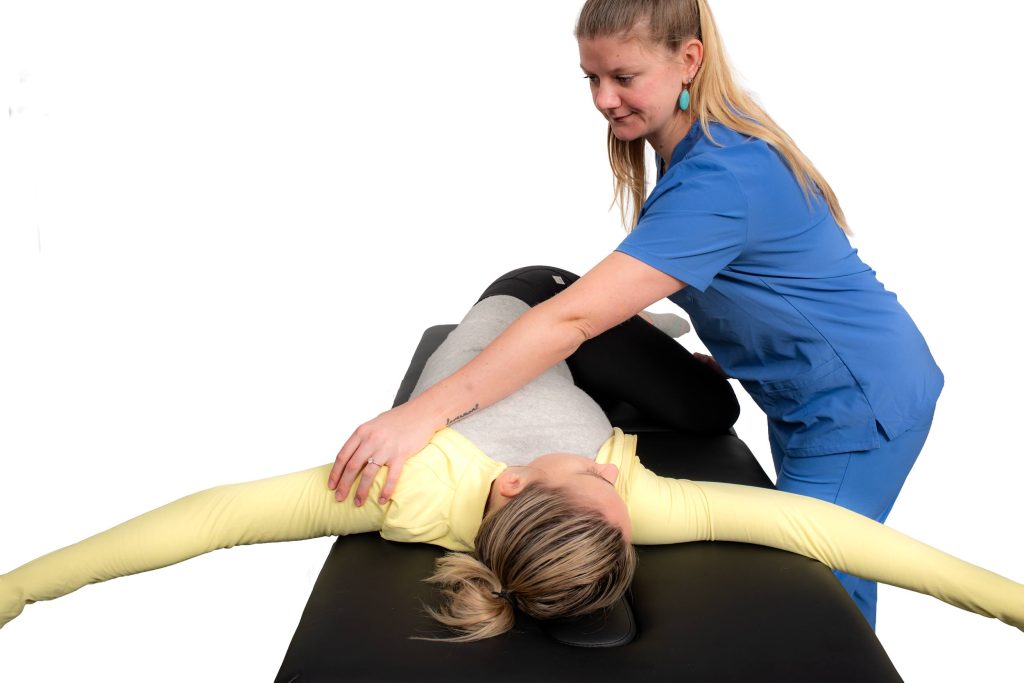
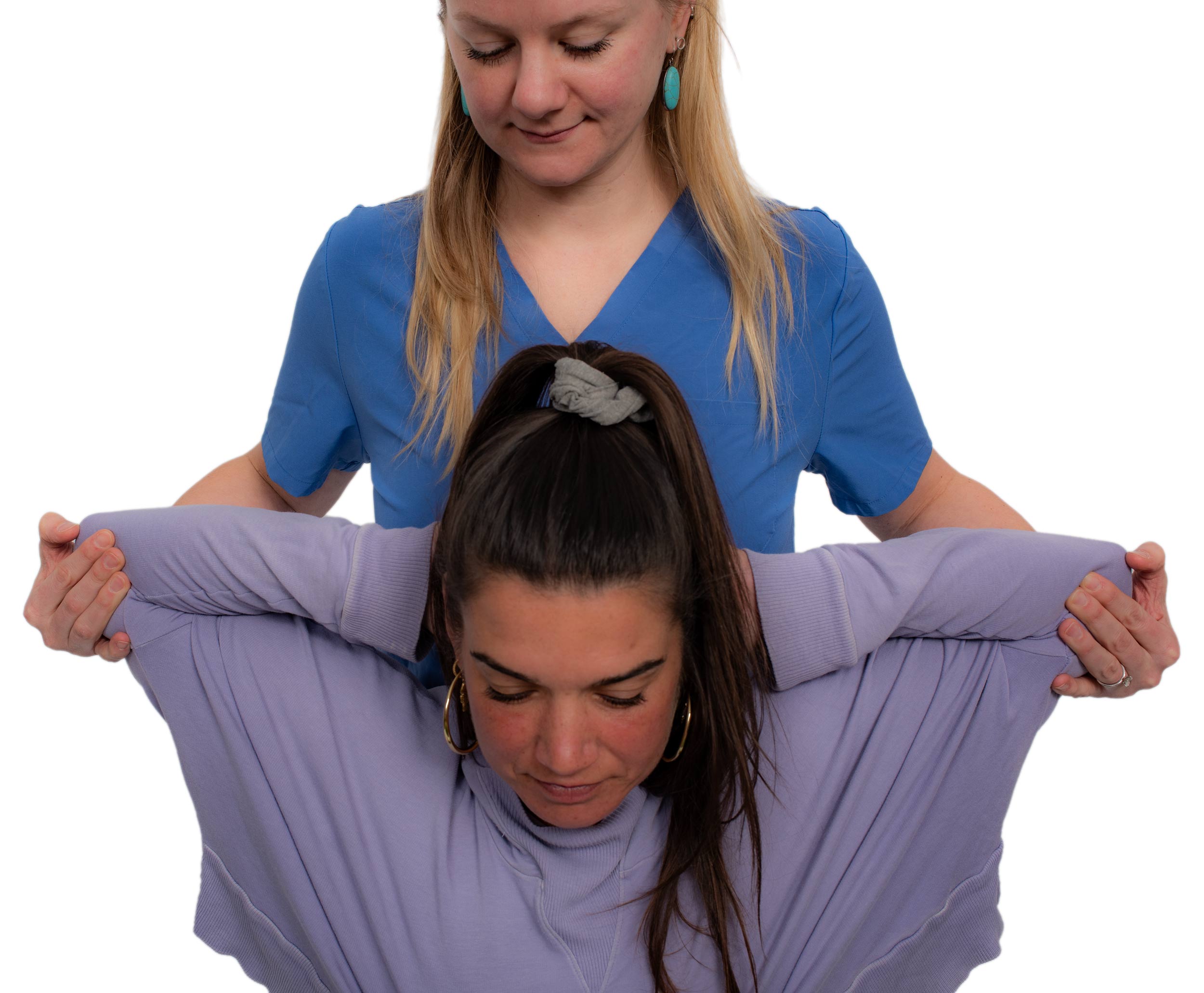
- Improve flexibility, mobility & range of motion
- Allows ease & freedom of movement in your muscles, joints & fascia
- Promotes efficient, low-effort movement patterns
- Supports better performance during daily activities & exercise
- Reduce risk of injury
- Improves recovery rate when injured
- Increases blood flow & circulation allowing better delivery of oxygen, nutrients & water throughout the body
- Reduces stiffness & sorenessImproves posture & alignment
- Corrects compensation in muscle/fascial shifts & imbalances
Mental & Emotional Benefits:
- Pain reduction, which plays an important role in overall mental well-being
- Increases relaxation during session
- Increases energy throughout the day
- Enhances mindfulness & self-awareness by being in the moment
- Enhance overall well-being
- Increases quality of sleep
- Serves as a strong motivator to initiate movement & exercise
Types Of Stretch Used
Static:
Slowly move a muscle into its longest point & hold for 20-30 seconds without bouncing
Proprioceptive Neuromuscular Facilitation (PNF):
Stretching a muscle, lightly contracting the target muscle against resistance, then relaxing it and moving it further into a stretch. This method tricks the muscle and nervous system allowing the muscle to achieve a deep and lasting stretch. This is the most effective method of improving flexibility.
Perpetual Movement:
Unlike static stretching, this method involves moving & stretching the joint through its ROM using continuous, fluid movements, targeting different muscle fibers during the stretch.
Traction:
Separating a joint gently to create some space within the joint capsule. It is used to relax muscles, tendons & ligaments to relieve pain & reduce pressure within that space.
“You are only as young as your spine is flexible. If your spine is inflexibly stiff at 30, you are old. If it is completely flexible at 60, you are young."